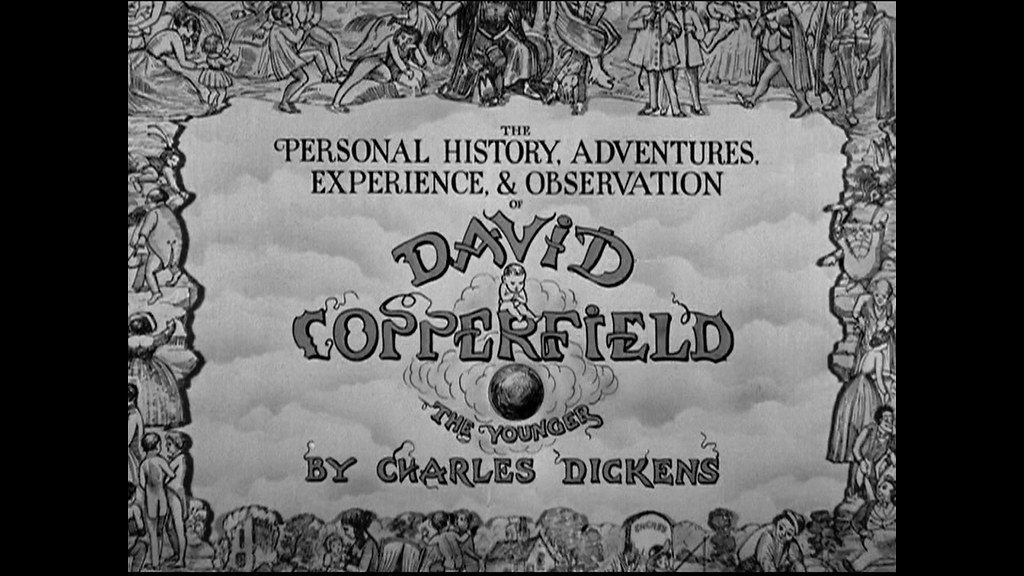
Charles Dickens called “David Copperfield” his favorite novel. Published between 1849 and 1850, it tells the story of a boy growing into a man. The novel follows David from childhood poverty through betrayal, loss, and eventually success as a writer.
This is Dickens’s most autobiographical work. Like David, Dickens suffered childhood hardship. He worked in a factory while his father was in debtor’s prison. These experiences shaped both the author and his most personal novel.
This post covers the novel’s plot, major characters, themes, and literary techniques. We’ll explore why this book matters and what makes it one of Victorian literature’s masterpieces. Whether you’re studying for exams or reading Dickens for the first time, this guide will help you understand “David Copperfield.”
Table of Contents
Background and Context
Dickens wrote “David Copperfield” between 1849 and 1850. It was published in monthly installments, like most of his novels. This serial publication shaped how he wrote. Each installment needed drama and suspense.
The novel came at the height of Dickens’s career. He had already written “Oliver Twist,” “Nicholas Nickleby,” and “Dombey and Son.” He knew his craft. He knew his audience.
Victorian England was the setting. The Industrial Revolution had transformed society. Cities grew. Factories multiplied. But poverty remained widespread. Child labor was common. Debtor’s prisons still existed. Dickens wanted to expose these problems.
The novel’s full title is “The Personal History, Adventures, Experience and Observation of David Copperfield the Younger of Blunderstone Rookery (Which He Never Meant to Publish on Any Account).” This long title mimics 18th-century novels. It also suggests the book’s intimate, confessional tone.
Plot Summary
Early Childhood
David Copperfield is born six months after his father’s death. His mother Clara is young and gentle. They live at Blunderstone Rookery with the housekeeper Peggotty.
David’s childhood is happy until his mother marries Edward Murdstone. Murdstone is cruel and controlling. He brings his sister Jane to live with them. Together they make David’s life miserable.
Murdstone beats David for falling behind in studies. David bites him in self-defense. As punishment, Murdstone sends him to Salem House, a brutal boarding school. David makes friends there with Tommy Traddles and the charming but unstable James Steerforth.
David’s mother dies while he’s away at school. Her baby dies too. David returns home to find Murdstone has dismissed Peggotty. David is now alone with the Murdstones.
Working Years
At age ten, Murdstone sends David to work at his wine warehouse in London. David washes bottles and labels them. He earns six shillings a week. He lives in a miserable lodging house run by the Micawber family.
Mr. Micawber is always in debt but always optimistic. He believes “something will turn up.” When Micawber is sent to debtor’s prison, David decides to run away.
He walks to Dover to find his great-aunt Betsey Trotwood. Betsey is eccentric but kind. She takes David in. She renames him “Trotwood Copperfield.” She sends him to a good school in Canterbury.
Education and Youth
In Canterbury, David lodges with Mr. Wickfield and his daughter Agnes. Agnes becomes David’s closest friend. She’s wise, calm, and good. But Wickfield’s clerk Uriah Heep is creeping into power. Heep is obsequious but malicious. He constantly calls himself “‘umble.”
David finishes school. He decides to become a proctor (a type of lawyer). He also reconnects with Steerforth, his old school friend. Steerforth is handsome and charismatic but morally weak.
David visits Peggotty’s family in Yarmouth. Her brother Daniel Peggotty lives in an upturned boat. His adopted niece Emily is engaged to Ham, Daniel’s nephew. But Steerforth seduces Emily. They run away together. Ham is heartbroken. Daniel Peggotty sets off to find Emily.
First Marriage
David meets Dora Spenlow, the pretty daughter of his employer. He falls desperately in love. Dora is childlike and helpless. She can’t cook, manage money, or run a household. But David doesn’t care.
They marry after Dora’s father dies. The marriage is difficult. Dora can’t handle adult responsibilities. David realizes he married a child, not a partner. But he loves her anyway.
Meanwhile, Uriah Heep has gained control of Wickfield’s business. He plans to marry Agnes. David’s old friend Micawber is working for Heep. But Micawber discovers that Heep has been embezzling from Wickfield. With David and Betsey’s help, Micawber exposes Heep. Heep is defeated.
Loss and Maturity
Dora becomes ill. She grows weaker. Before she dies, she tells David that Agnes would have been a better wife for him. She asks him to remember her as his “child-wife.”
Steerforth abandons Emily. She returns home in shame. Daniel Peggotty forgives her. They plan to emigrate to Australia. The Micawbers will go too, seeking a fresh start.
A great storm hits Yarmouth. A ship is wrecking offshore. Ham swims out to save the crew. But he drowns. The man he tried to save is Steerforth. Both die. David watches helplessly from the beach.
Resolution
David travels abroad for three years. He writes. He mourns. He thinks about his life. He realizes he has always loved Agnes. But he believes she doesn’t love him.
When David returns, he discovers Agnes has always loved him. They marry. Agnes is everything Dora wasn’t: wise, capable, and mature. She’s his “real” wife.
The novel ends with David successful as a writer. His friends are scattered but mostly happy. Micawber prospers in Australia. Peggotty marries Barkis, the carrier (who dies leaving her comfortable). Betsey lives with David and Agnes. Traddles becomes a successful lawyer.
David reflects on his life. He sees how suffering shaped him. He’s grateful for love, friendship, and his hard-won success.
Major Characters
David Copperfield
The narrator and protagonist. David is sensitive, observant, and earnest. He’s easily influenced by stronger personalities like Steerforth. He makes mistakes but learns from them.
David represents the artist figure. He transforms his painful experiences into fiction. His journey from helpless child to successful writer mirrors Dickens’s own path.
David’s greatest flaw is his judgment of people. He idolizes Steerforth despite clear warning signs. He marries Dora without seeing her limitations. Only gradually does he develop wisdom.
Agnes Wickfield
David’s truest friend. Agnes is calm, wise, and self-sacrificing. She manages her alcoholic father’s household. She sees through Uriah Heep. She loves David silently for years.
Some readers find Agnes too perfect. She’s Dickens’s ideal of Victorian womanhood: pure, patient, and domestic. But she’s also intelligent and capable. She provides the stability David needs.
Agnes represents mature love versus the infatuation David felt for Dora. She’s partnership, not romance.
James Steerforth
David’s schoolmate and false friend. Steerforth is handsome, wealthy, and charismatic. Everyone loves him. But he’s selfish and morally empty.
Steerforth seduces Emily because he can. He abandons her when he’s bored. He betrays his best friend without remorse. Yet David struggles to condemn him.
Steerforth represents the corruption of privilege. His charm masks hollowness. His death is both tragic and deserved.
Uriah Heep
The novel’s main villain. Heep pretends to be humble while scheming for power. He calls himself “‘umble” constantly. He wrings his hands. He’s physically repulsive: clammy, pale, and writhing.
Heep represents hypocrisy. He uses false humility as a weapon. He preys on decent people like Wickfield. His defeat is one of the novel’s most satisfying moments.
Dickens based Heep partly on people who used religious language to mask greed. He’s a social climber without morals.
Betsey Trotwood
David’s great-aunt. Betsey is eccentric and sharp-tongued. She hates donkeys crossing her lawn. She was disappointed when David was born male (she wanted a niece).
But Betsey is fundamentally kind. She rescues David. She supports him. She accepts him completely. Her gruff exterior hides a generous heart.
Betsey represents unconventional goodness. She doesn’t fit Victorian ideals of femininity, but she’s more moral than “proper” people like the Murdstones.
Wilkins Micawber
A perpetually broke optimist. Micawber always owes money. He’s always about to be arrested. But he never loses hope. “Something will turn up” is his motto.
Micawber speaks in elaborate, pompous language. He writes flowery letters. He makes grand pronouncements. But he can’t manage simple finances.
Despite his flaws, Micawber is loyal and brave. He risks everything to expose Heep. His success in Australia shows that sometimes something does turn up.
Dickens based Micawber on his own father, who was imprisoned for debt. The character is both comic and poignant.
Dora Spenlow
David’s first wife. Dora is pretty, helpless, and childish. She can’t cook. She can’t budget. She calls herself David’s “child-wife.”
Dora represents romantic illusion. David loves an image, not a person. He realizes too late that love needs more than prettiness.
Some readers find Dora annoying. But Dickens shows sympathy. She knows her limitations. She tells David to marry Agnes after she dies.
Emily (Little Em’ly)
Daniel Peggotty’s adopted niece. Emily is beautiful and ambitious. She loves Ham but wants more than a fisherman’s wife’s life.
Steerforth’s seduction ruins her. Victorian society doesn’t forgive “fallen women.” Emily carries shame even though she’s the victim.
Emily represents the limited options for poor women. She can marry Ham and stay poor, or try to rise (which leads to disaster).
Daniel Peggotty
Emily’s uncle and guardian. Daniel is a fisherman. He lives in an upturned boat. He’s simple, kind, and loving.
When Emily runs away, Daniel never blames her. He searches for her across Europe. He forgives her completely. His love is unconditional.
Daniel represents working-class virtue. He has no education but perfect moral instincts.
Mr. and Miss Murdstone
David’s stepfather and aunt. Both are cold, cruel, and self-righteous. They call their brutality “firmness.”
The Murdstones destroy Clara Copperfield. They torment David. They believe in breaking children’s spirits for their own good.
The Murdstones represent institutional cruelty masked as morality. They’re abusers who believe they’re educators.
Themes and Motifs
Memory and Retrospection
The novel is David’s memoir. He’s looking back on his life. He says, “Whether I shall turn out to be the hero of my own life, or whether that station will be held by anybody else, these pages must show.”
Memory shapes the narrative. Childhood feels vivid and intense. Adult events are more measured. David understands his past better than he understood it while living it.
This theme reflects how we construct identity through memory. We become who we are by understanding where we’ve been.
Class and Social Mobility
David moves between social classes. He’s born middle class. He drops to working class in the warehouse. He rises through education and talent.
Other characters show different class trajectories. Micawber falls. Heep climbs (through crime). Steerforth stays at the top. Emily falls from grace.
Dickens criticizes the class system. But he also shows that character matters more than birth. Betsey is eccentric gentry. Daniel Peggotty is working class. Both are equally noble.
Education and Self-Improvement
Education saves David. Betsey’s decision to send him to school changes everything. Without education, he’d still be washing bottles.
But Dickens shows education’s limits. Steerforth has every advantage but becomes corrupt. David learns as much from suffering as from school.
The theme connects to Victorian beliefs about self-improvement. Hard work and learning can change your life. But they don’t guarantee morality.
The Domestic Ideal
Victorian culture idealized home and family. David searches for this ideal throughout the novel. His childhood home is destroyed by Murdstone. His marriage to Dora is chaotic. Only with Agnes does he find domestic peace.
Dickens both endorses and questions this ideal. He shows that good homes create good people. But he also shows how domestic tyranny (the Murdstones) destroys lives.
Discipline and Self-Control
The novel’s alternate title was “The Discipline of the Heart.” David must learn self-discipline. He’s impulsive and easily led. He idolizes Steerforth. He marries Dora without thinking.
Gradually David develops judgment and control. He becomes responsible. He works hard. He earns success through discipline.
Other characters fail this test. Steerforth has no self-control. Dora can’t manage herself. Micawber lacks financial discipline. Heep has discipline but uses it for evil.
Good Women vs. Fallen Women
Victorian society divided women into angels and outcasts. Agnes and Emily represent this divide. Agnes is pure, domestic, and self-sacrificing. Emily is “fallen” because she was seduced.
Dickens partly accepts this dichotomy. Agnes is idealized. But he also sympathizes with Emily. He shows how society’s double standard punishes women for men’s crimes.
Daniel Peggotty’s forgiveness challenges Victorian morality. He doesn’t cast Emily out. He loves her unconditionally.
Narrative Technique
First-Person Retrospective
David tells his own story from an older, wiser perspective. This creates irony. The older David understands what the younger David didn’t.
For example, the young David idolizes Steerforth. The older David sees his friend’s flaws. But he maintains the younger perspective while hinting at future knowledge.
This technique makes the narrative intimate but also reflective. We experience David’s life and judge it simultaneously.
Characterization Through Speech
Dickens gives each character distinct speech patterns. Micawber speaks in elaborate circumlocutions. Heep uses fake humility. Barkis says “Barkis is willin’.” Betsey calls David “Trot.”
These verbal tics make characters memorable. They also reveal personality. Micawber’s pompous language masks poverty. Heep’s humility masks ambition.
Sentimentality
Victorian readers loved emotional scenes. Dickens provides them: Clara’s death, Dora’s death, Ham’s drowning, Emily’s return.
Modern readers sometimes find these scenes excessive. Characters weep freely. Deathbed scenes are prolonged. But Dickens believed emotion was honest.
He also uses sentimentality strategically. The emotional scenes make his social criticism more powerful. When we cry over David’s suffering, we recognize that real children suffered too.
Symbolic Naming
Names reveal character. “Murdstone” suggests murder and stone (hardness). “Steerforth” suggests steering forward (privilege and confidence). “Heep” sounds like a snake. “Agnes” means lamb (innocence).
This technique was common in Victorian literature. Modern readers might find it obvious. But it helped audiences reading in monthly installments remember who was who.
Serial Structure
Each monthly installment ended with drama or suspense. Dickens calculated these cliffhangers carefully. A character would face crisis. A secret would be revealed. Then readers had to wait a month.
This structure affected the plot. Dickens padded some sections. He rushed others. He changed plans based on reader response.
But serial publication also created intimacy. Readers lived with these characters for months. They waited anxiously for resolution.
Symbolism and Imagery
The Sea
The sea appears throughout. David goes to Yarmouth. Emily dreams of drowning. Ham and Steerforth die in the storm.
The sea represents fate and danger. It’s beautiful but deadly. Characters drawn to the sea often suffer. Ham dies trying to master it. Steerforth dies escaping into it.
The famous storm scene combines natural and moral disaster. The physical storm mirrors the emotional storms in characters’ lives.
The Prison
Micawber goes to debtor’s prison. David feels imprisoned in the warehouse. Heep imprisons Wickfield financially.
Prisons represent different types of captivity. Economic, physical, and psychological. Dickens’s father was imprisoned for debt. This personal experience shapes the novel.
Freedom comes through money, help, or escape. Betsey frees David. Micawber’s honesty frees himself. Emily frees herself through emigration.
The Upturned Boat
Daniel Peggotty’s house is an upturned boat. This image combines home and voyage. It’s domestic but also connected to the sea.
The boat represents working-class ingenuity. Daniel has little money but creates a home. It’s humble but loved.
The boat also suggests instability. Homes can be overturned. Safety is fragile. This proves true when Emily runs away.
Donkeys on the Green
Betsey obsessively keeps donkeys off her lawn. This seems like comic eccentricity. But it represents her need for control in a chaotic world.
Betsey has suffered (her husband abandoned her). Keeping donkeys away is her way of maintaining order. It’s silly but also poignant.
When David arrives, she stops worrying about donkeys. Caring for David gives her a better focus.
The Warehouse
The blacking warehouse where David works symbolizes childhood exploitation. Real children worked in such places. Dickens did.
The warehouse represents how industrial society treats children as tools. David labels bottles endlessly. No one cares about his education or feelings.
His escape from the warehouse through education shows the power of learning to change lives.
Social Criticism
Child Labor
Dickens attacks child labor throughout. David works at ten years old. He earns almost nothing. He lives in poverty.
Victorian England employed thousands of children. They worked in factories, mines, and shops. Dickens wanted readers to see this as wrong.
His criticism helped change laws. The Factory Acts gradually restricted child labor. Dickens’s novels contributed to this reform.
Debtor’s Prisons
Micawber’s imprisonment shows the cruelty of debtor’s prisons. You couldn’t earn money while imprisoned. So you couldn’t pay debts. The system trapped people.
Dickens’s father was imprisoned for debt. This traumatized young Charles. He never forgot.
Parliament abolished debtor’s prisons in 1869. Dickens’s criticism helped build support for change.
Education
Dickens criticizes brutal schools like Salem House. The headmaster Creakle beats students. The school is dirty and cold.
But Dickens also shows good education’s power. Dr. Strong’s school in Canterbury is humane. It helps David develop.
Victorian education was brutal and uneven. Dickens argued for reform. He believed education could improve society.
Marriage Laws
Women had few rights in Victorian marriage. Husbands controlled property and money. Divorce was nearly impossible.
Clara suffers under Murdstone’s control. Betsey fled an abusive husband. Annie Strong is trapped with an older man she doesn’t love.
Dickens couldn’t explicitly attack marriage laws. But he shows their effects. His sympathies are with women trapped in bad marriages.
The Treatment of “Fallen Women”
Emily is “ruined” by seduction. Victorian society would cast her out. She can’t marry respectably. She’s marked forever.
Dickens challenges this. Daniel Peggotty forgives Emily. She’s the victim, not the villain. Steerforth is guilty, but he faces no social consequences (until death).
Dickens supported homes for “fallen women” in real life. He believed in redemption and forgiveness, not punishment.
Autobiographical Elements
Dickens called this novel his “favorite child.” It’s his most personal work. Many elements come from his life.
The Warehouse
Like David, Dickens worked in a blacking factory as a child. His father was imprisoned for debt. Charles lived alone in London at age twelve.
This experience humiliated Dickens. He felt abandoned by his family. He never fully recovered from the trauma.
David’s warehouse experience mirrors Dickens’s exactly. The feelings of shame, loneliness, and desperation are authentic.
The Writer Figure
David becomes a successful writer. So did Dickens. Both transformed painful childhoods into art.
David’s first published story brings him joy. Dickens felt the same way. Writing gave meaning to suffering.
The novel suggests that artists are shaped by pain. David couldn’t write without having lived through hardship.
Dora and Maria
Dora is based on Maria Beadnell, Dickens’s first love. Maria was pretty and impractical. Dickens was infatuated. Her parents rejected him because he was poor.
Years later, Dickens met Maria again. She had become dull and ordinary. His illusion shattered. He wrote Dora partly to exorcise this disappointment.
Agnes and Catherine
Agnes might represent an idealized wife. Dickens’s own marriage to Catherine Hogarth was unhappy. He later fell in love with a younger woman.
Agnes is everything Catherine wasn’t: understanding, capable, supportive. She’s wish fulfillment.
Micawber and John Dickens
Micawber is based on Dickens’s father. John Dickens was charming, impractical, and always in debt. He borrowed money from his famous son constantly.
Dickens loved his father but was exasperated by him. Micawber captures both the affection and frustration.
Key Passages Analysis
Opening Lines
“Whether I shall turn out to be the hero of my own life, or whether that station will be held by anybody else, these pages must show.”
These lines establish the memoir format. David doesn’t know if he’s heroic. He’ll let readers decide. This creates humility and intimacy.
The question of heroism runs through the novel. Is David heroic? Or are characters like Agnes or Daniel Peggotty the real heroes?
David’s Birth
“I was born with a caul, which was advertised for sale, in the newspapers, at the low price of fifteen guineas.”
A caul is a membrane sometimes covering a baby’s head. Superstition said it protected against drowning. David’s caul is sold.
This detail foreshadows the sea’s importance. Ham drowns. Steerforth drowns. David survives. Did selling the caul matter?
Meeting Betsey
“‘Go along with you!’ said Miss Betsey, shaking her head and making a distant chop in the air with her knife. ‘Go along with you!'”
Betsey seems harsh at first. She waves her knife at donkeys. She seems angry.
But this gruffness hides kindness. She takes David in. Her actions contradict her manner. Dickens often shows that rough exteriors can hide good hearts.
The Warehouse
“It is a matter of some surprise to me, even now, that I can have been so easily thrown away at such an age.”
The adult David reflects on childhood abandonment. His surprise reveals how wrong it was. No child should be “thrown away.”
This passage makes explicit what the scenes show: David was abused. The Murdstones’ treatment wasn’t discipline. It was cruelty.
Steerforth’s Death
“And on that part of it where she and I had looked for shells, two children—on that part of it where some lighter fragments of the old boat, blown down last night, had been scattered by the wind—among the ruins of the home he had wronged—I saw him lying with his head upon his arm, as I had often seen him lie at school.”
This long sentence captures grief and irony. Steerforth dies where he committed his crime (seducing Emily). He lies as he did in innocent school days.
The passage shows David’s complicated feelings. He mourns Steerforth despite everything. The sleeping pose suggests death as rest, not punishment.
David’s Realization
“I loved her simply, deeply, faithfully, although I had loved Dora with a far more fiery, boyish love.”
David distinguishes between infatuation (Dora) and real love (Agnes). Mature love is “simple” and “faithful,” not dramatic.
This passage resolves the novel’s romantic plot. It also represents David’s growth. He’s learned to value substance over flash.
Final Reflection
“And now, as I close my task, subduing my desire to linger yet, these faces fade away. But one face, shining on me like a Heavenly light by which I see all other objects, is above them and beyond them all. And that remains.”
The novel ends with Agnes’s face. She’s David’s guiding light. She represents home, love, and moral clarity.
The religious language (“Heavenly light”) elevates domestic love to spiritual significance. Victorian readers would recognize this as the highest praise.
Comparison with Other Dickens Novels
| Aspect | David Copperfield | Great Expectations | Oliver Twist | Bleak House |
|---|---|---|---|---|
| Narrator | First-person retrospective | First-person retrospective | Third-person omniscient | Third-person with some first-person |
| Protagonist | David grows from child to successful writer | Pip grows from boy to humble gentleman | Oliver remains innocent throughout | Esther grows from orphan to wife |
| Tone | Personal, reflective, sometimes sentimental | Dark, ironic, morally complex | Melodramatic, social protest | Satirical, angry, complex |
| Autobiographical Element | Highly autobiographical | Some autobiographical elements | Less personal | Minimal |
| Social Criticism | Child labor, education, class | Class snobbery, criminal justice | Workhouses, crime, poverty | Legal system, aristocracy, fog of institutions |
| Ending | Happy, resolved | Ambiguous, mature | Happy, resolved | Mixed, some happiness |
“David Copperfield” is warmer than Dickens’s later novels. “Bleak House” and “Great Expectations” are darker and more cynical. “David Copperfield” believes in progress and redemption.
But “David Copperfield” shares themes with other Dickens works. Orphans, cruel authorities, class struggle, and the power of goodness appear throughout his fiction.
The retrospective narration in “David Copperfield” influenced “Great Expectations.” But Pip’s story is darker. Pip’s expectations corrupt him. David’s ambitions are more innocent.
Reading Recommendations
“Great Expectations” by Charles Dickens – Another first-person Bildungsroman. Pip’s story mirrors David’s but with more moral complexity. Both boys struggle with class and identity. But Pip’s journey is darker.
“Jane Eyre” by Charlotte Brontë – Published two years before “David Copperfield.” Both novels follow orphans to success. Both combine romance with social criticism. Jane and David share resilience and integrity.
“The Mill on the Floss” by George Eliot – Another Victorian Bildungsroman. Maggie Tulliver’s struggles with family and society echo David’s experiences. Eliot’s psychological depth complements Dickens’s social scope.
“Dickens’s Working Notes for His Novels” edited by Harry Stone – See how Dickens planned the novel in monthly installments. His notes reveal decisions about plot and character. Fascinating for understanding his method.
“Charles Dickens: A Life” by Claire Tomalin – The best modern biography. Tomalin explains the connections between Dickens’s life and “David Copperfield.” Essential for understanding the autobiographical elements.
Key Takeaways
- “David Copperfield” is Dickens’s most autobiographical novel, drawing heavily from his traumatic childhood experiences in a factory and his father’s imprisonment
- The novel follows David’s growth from helpless child to successful writer, showing how education and perseverance overcome poverty and abuse
- Major themes include memory and identity, class mobility, education, domestic ideals, and the discipline needed for moral development
- Dickens uses distinct character voices, sentimental scenes, and symbolic naming to create memorable personalities like Uriah Heep, Micawber, and Betsey Trotwood
- The novel criticizes Victorian child labor, debtor’s prisons, brutal education, and the double standard for “fallen women”
- David’s two marriages contrast infatuation (Dora) with mature love (Agnes), showing his journey from boyish romance to adult understanding
FAQ
Q: Why did Dickens call this his favorite novel?
A: It was his most personal work. He put his own childhood suffering into David’s story. The warehouse scenes came directly from his life. Writing it helped him process trauma. He said, “Of all my books, I like this the best.”
Q: Is David Copperfield the hero of his own story?
A: That’s the novel’s central question. David survives and succeeds. But other characters show more courage. Daniel Peggotty’s forgiveness is heroic. Agnes’s patience is heroic. Micawber’s honesty is heroic. David is the protagonist but not necessarily the hero.
Q: Why does David marry Dora if she’s so helpless?
A: He’s young and infatuated. He sees her prettiness, not her character. Victorian men weren’t supposed to value women’s competence. Only experience teaches David that marriage needs partnership, not just attraction.
Q: Is Uriah Heep based on a real person?
A: Not directly. But Dickens knew people who used fake humility to manipulate others. He hated hypocrisy. Heep represents all the social climbers who pretended to be humble while scheming for power.
Q: What happens to Steerforth’s mother after his death?
A: Dickens doesn’t say explicitly. She appears at Steerforth’s funeral, frozen in grief. She has lost everything. Her pride in her son was her whole identity. The novel suggests she never recovers.
Q: Why do so many characters emigrate to Australia at the end?
A: Australia offered second chances. It was far from English class prejudice. Emily can escape her shame there. Micawber can start fresh. Victorian readers understood emigration as redemption.
Q: How long does the novel cover?
A: About 30 years. It starts before David’s birth and ends when he’s in his thirties. But the narrative doesn’t distribute time evenly. Childhood gets more space than adulthood.
Conclusion
“David Copperfield” remains Dickens’s most beloved novel. It combines personal emotion with social criticism. It shows one man’s journey from poverty to success while exposing the systems that create poverty.
The novel’s strength is its characters. Micawber, Heep, Betsey, and Peggotty feel real. Their voices are distinct. Their struggles matter. Dickens populates David’s world with memorable personalities.
The autobiographical element adds power. Dickens isn’t imagining David’s suffering. He’s remembering his own. The warehouse scenes come from lived experience. The shame, loneliness, and fear are authentic.
But “David Copperfield” is more than autobiography. It’s a critique of Victorian society. Dickens attacks child labor, brutal education, debtor’s prisons, and class prejudice. He shows how society fails its most vulnerable members.
The novel also celebrates resilience. David survives abuse. He gets education. He works hard. He becomes successful. Dickens believed in self-improvement and perseverance. This novel embodies that belief.
For students, “David Copperfield” offers everything: memorable characters, social criticism, psychological depth, and Victorian prose at its best. It’s long but rewarding. It combines entertainment with education.
Dickens wrote, “I like this the best.” Generations of readers have agreed. “David Copperfield” remains essential Victorian literature. It shows what novels can do: tell a good story while revealing truth about how people live and suffer and sometimes triumph.