W.H. Auden’s “Night Mail” stands as one of the most celebrated documentary poems of the 20th century, capturing the rhythm and romance of Britain’s postal train service. This comprehensive guide explores the poem’s intricate themes, literary techniques, and provides detailed answers to the most commonly asked questions about this remarkable work.
Table of Contents
Understanding “Night Mail”: Context and Background
The Documentary Film Connection
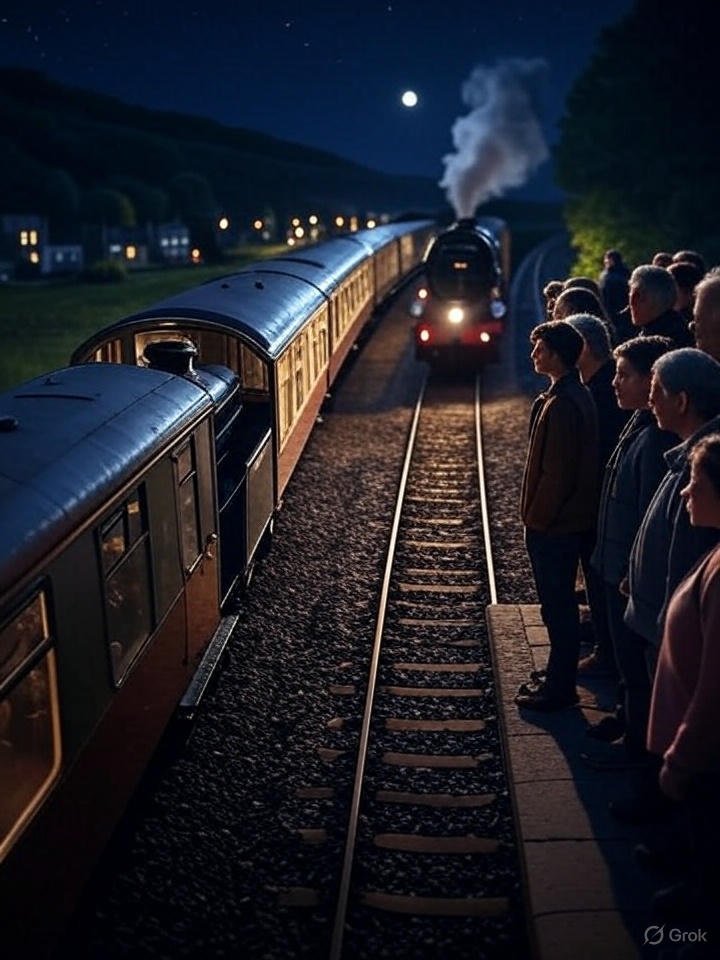
“Night Mail” was originally written in 1936 for the GPO Film Unit’s documentary of the same name. The poem was specifically crafted to accompany footage of the London-to-Scotland postal train, creating a unique blend of visual and literary art. Auden collaborated with composer Benjamin Britten to create a multimedia experience that would educate the public about the postal service while celebrating the industrial age.
The film documented the nightly journey of the postal train from London to Scotland, showing postal workers sorting mail while traveling at high speed through the British countryside. Auden’s poem captures this mechanical precision while infusing it with human warmth and social significance.
Historical Significance of the Postal Service
During the 1930s, the postal service represented more than mere communication – it symbolized connection, progress, and democratic ideals. The night mail train carried letters that linked families, businesses, and communities across Britain. Auden recognized this service as a metaphor for human connection in an increasingly mechanized world.
The poem reflects the optimism of the era regarding technology’s potential to bring people together. Unlike many modernist works that portrayed technology as alienating, “Night Mail” presents machinery as serving human needs and emotions.
Literary Analysis: Themes and Poetic Techniques
Major Themes in “Night Mail”
Human Connection Through Technology The poem celebrates how modern technology facilitates human relationships. The train becomes a metaphor for the ways industrial progress can serve emotional and social needs rather than replacing them.
Democracy and Equality Auden emphasizes that the mail train serves everyone equally – “Letters of thanks, letters from banks, / Letters for scholars, letters for cranks.” This democratic vision reflects the poet’s socialist sympathies and belief in equality.
Rhythm and Movement The poem’s structure mirrors the train’s movement, with short, quick lines suggesting speed and efficiency, while longer passages evoke the steady rhythm of wheels on tracks.
Work and Purpose The postal workers represent dedicated service to community needs. Their nighttime labor enables daytime connections, highlighting the dignity of essential work.
Poetic Techniques and Structure
Rhythmic Patterns Auden employs varying line lengths and rhythms to mirror the train’s movement. Short, staccato lines suggest the clicking of wheels: “This is the night mail crossing the border, Bringing the cheque and the postal order”
Alliteration and Sound Effects The poem uses extensive alliteration to create musical effects that echo the train’s sounds: “Pulling up Beattock, a steady climb.” These sound patterns make the poem memorable and enhance its documentary purpose.
Visual Imagery Auden paints vivid pictures of the Scottish landscape: “Snouting noisily as she passes / Silent miles of wind-bent grasses.” This imagery helps readers visualize the train’s journey through different terrains.
Personification The train takes on human characteristics, “snouting noisily” and climbing “steadily.” This technique makes the mechanical seem alive and purposeful.
Common Questions and Detailed Answers
What is the main message of “Night Mail”?
The central message celebrates the postal service as a vital link connecting people across Britain. Auden presents the night mail train as a symbol of democratic service, technological progress serving human needs, and the dignity of essential work. The poem suggests that modern technology, when properly directed, can strengthen rather than weaken human connections.
The poem also conveys optimism about industrial society’s potential to serve everyone equally, regardless of social class or geographic location. This message resonated strongly during the 1930s, when many questioned whether technological progress truly benefited ordinary people.
How does Auden create rhythm in the poem?
Auden creates rhythm through several techniques:
Varied Line Lengths: Short lines suggest quick movement, while longer lines evoke steady progress Repetitive Patterns: The recurring “This is the night mail” creates a refrain-like effect Alliteration: Sound patterns like “Pulling up” and “steady climb” echo mechanical rhythms Stress Patterns: The poem follows the natural stress patterns of English speech while maintaining musical quality
The rhythm serves both aesthetic and functional purposes, making the poem memorable for radio broadcast while creating an auditory experience that complements the visual documentary.
What literary devices does Auden use in “Night Mail”?
Personification: The train “snorts noisily” and has human-like characteristics Alliteration: “Silent miles,” “wind-bent,” “Pulling up” create musical effects Metaphor: The train becomes a symbol of connection and democratic service Imagery: Vivid descriptions of Scottish landscape and urban scenes Repetition: The refrain “This is the night mail” provides structure and emphasis Onomatopoeia: Words that echo the sounds of the moving train
These devices work together to create a poem that functions both as literature and as accompaniment to documentary film, demonstrating Auden’s versatility as a poet.
Why is the poem called “Night Mail”?
The title refers to the actual postal train that ran nightly from London to Scotland, carrying mail to be sorted and delivered the following day. The “night” aspect is crucial because it emphasizes the unseen labor that enables daytime communication. While people sleep, dedicated workers ensure that letters reach their destinations.
The title also suggests the romantic and mysterious aspects of nighttime travel. The train moves through darkness, carrying messages between separated people, creating connections across distance and time.
How does the poem reflect 1930s British society?
“Night Mail” captures several aspects of 1930s Britain:
Industrial Confidence: The poem celebrates technological achievement and efficient systems Social Democracy: The mail serves everyone equally, reflecting growing democratic ideals Communication Networks: The postal service represents Britain’s sophisticated infrastructure Work Ethic: The poem honors the dignity of essential labor Geographic Unity: The train connects Scotland and England, emphasizing national unity
The poem reflects the optimism of the mid-1930s, before World War II dampened enthusiasm for technological progress. It presents a vision of technology serving human needs rather than replacing human connections.
Character Analysis: The Postal Workers
The Unsung Heroes
Though not individually named, the postal workers emerge as the poem’s true heroes. Auden presents them as dedicated professionals who work through the night to ensure others can communicate during the day. Their labor represents service to community needs rather than personal gain.
The workers embody several virtues:
- Dedication to duty despite difficult conditions
- Skill in sorting mail while traveling at high speed
- Service to strangers across Britain
- Pride in essential work
Symbolic Significance
The postal workers represent the ideal citizen in Auden’s vision of democratic society. They serve others without seeking recognition, work efficiently within technological systems, and contribute to national unity by connecting distant communities.
This portrayal reflects Auden’s socialist sympathies and his belief in the dignity of all necessary work. The poem suggests that society depends on such dedicated service, even when it remains largely invisible to the general public.
The Poem’s Legacy and Influence
Impact on Documentary Poetry
“Night Mail” pioneered the concept of documentary poetry – verse written specifically to accompany factual films. This innovation influenced later poets who sought to engage with contemporary social issues through accessible, purposeful verse.
The poem demonstrated that serious literature could serve practical purposes without sacrificing artistic quality. This lesson influenced the development of socially engaged poetry throughout the 20th century.
Educational Value
The poem remains valuable for students studying:
- 1930s British literature and society
- The relationship between technology and human connection
- Poetic techniques for creating rhythm and sound effects
- The role of work and service in democratic society
- Multimedia approaches to literature
Teachers appreciate how the poem combines historical information with literary artistry, making it useful for interdisciplinary studies connecting literature, history, and media studies.
Modern Relevance
Despite being written over 80 years ago, “Night Mail” addresses themes that remain relevant:
- How technology can serve human needs
- The importance of essential workers
- Democratic ideals of equal service
- The role of communication in maintaining social bonds
These themes resonate particularly strongly in our digital age, when new technologies raise similar questions about connection and service.
Comparison with Other Auden Works
| Poem | Theme | Style | Period |
|---|---|---|---|
| Night Mail | Technology serving humanity | Documentary/accessible | 1930s |
| September 1, 1939 | War and moral responsibility | Reflective/complex | Late 1930s |
| Funeral Blues | Personal grief and loss | Emotional/direct | 1930s |
| The Unknown Citizen | Social conformity critique | Satirical/ironic | 1940s |
“Night Mail” differs from much of Auden’s work in its optimistic view of modern society and technology. While poems like “The Unknown Citizen” critique social conformity, “Night Mail” celebrates collective effort and shared purpose.
Study Tips for Students
Understanding the Poem’s Structure
Focus on how Auden varies rhythm and line length to mirror the train’s movement. Notice how shorter lines suggest speed and mechanical precision, while longer passages evoke the steady progress of the journey.
Analyzing Sound Effects
Pay attention to alliteration, assonance, and onomatopoeia. These sound devices create the poem’s musical quality and help readers hear the train’s movement even without the original film soundtrack.
Historical Context
Research the 1930s British postal service and the GPO Film Unit to understand why this poem was commissioned and how it served educational purposes. Understanding the historical context enhances appreciation of the poem’s themes.
Modern Connections
Consider how the poem’s themes relate to contemporary issues about technology, work, and communication. What aspects of Auden’s vision have been fulfilled or contradicted by later developments?
Key Takeaways
“Night Mail” represents a unique achievement in 20th-century poetry, successfully combining artistic excellence with practical purpose. The poem celebrates the postal service while exploring deeper themes about technology, democracy, and human connection.
Key points to remember:
- The poem was written for a documentary film about Britain’s postal train service
- Auden uses rhythm and sound effects to mirror the train’s movement
- The work celebrates technology serving human needs rather than replacing human connections
- The postal workers represent democratic ideals of service and equality
- The poem remains relevant for its insights about work, technology, and communication
The poem demonstrates how literature can serve immediate social purposes while maintaining lasting artistic value. Auden’s achievement lies in creating a work that functioned effectively as documentary accompaniment while standing alone as significant poetry.
Frequently Asked Questions
What inspired Auden to write “Night Mail”? Auden was commissioned by the GPO Film Unit to write a poem for their documentary about the postal train service. The project allowed him to combine his interest in social issues with his poetic skills.
Is “Night Mail” based on real events? Yes, the poem describes the actual nightly journey of the postal train from London to Scotland. Auden researched the route and the workers’ activities to ensure accuracy.
How does the poem’s rhythm relate to train movement? Auden carefully crafted the poem’s meter and line lengths to echo the sound and rhythm of the moving train, creating an auditory experience that complements the visual documentary.
What makes this poem different from other Auden works? “Night Mail” is more optimistic and accessible than much of Auden’s poetry. It celebrates collective effort and technological progress, contrasting with his more critical social commentary in other works.
Why is the poem still studied today? The poem remains relevant for its innovative combination of poetry and documentary purpose, its insights about technology and human connection, and its demonstration of how literature can serve both artistic and social functions.
Through “Night Mail,” W.H. Auden created a lasting tribute to the essential workers who kept Britain connected, while crafting a poem that continues to inspire readers with its vision of technology serving human needs. The work stands as a testament to poetry’s power to celebrate everyday heroism and find beauty in the mechanisms of modern life.
Ready to explore more classic English literature? Check out our comprehensive analysis guides for other important works that shaped modern literature.