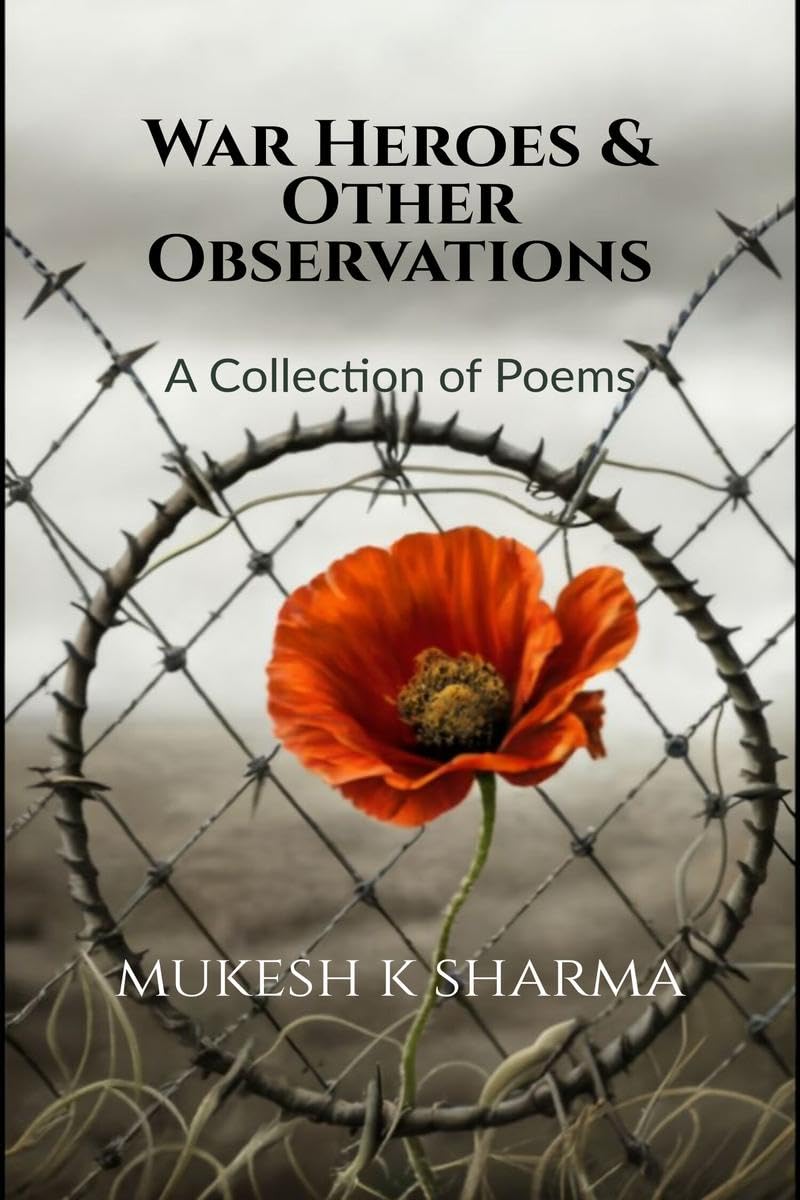
Poetry often articulates the unspoken depths of our shared humanity. This rings true in Mukesh K Sharma’s evocative collection “War Heroes and Other Observations”, which illuminates the stories...
Russian Formalism is one of the most important schools of literary criticism to understand before any competitive literature exam. It changed how we think about what makes a...
Feminist literary theory has undergone major developments since Virginia Woolf examined Shakespeare’s imaginary sister. Today, intersectional analysis enriches feminist criticism to account for diverse experiences shaped by race,...
Madame Bovary: Patterns of Provincial Life by Gustave Flaubert, a groundbreaking novel published in 1856, continues to captivate readers with its poignant portrayal of the complexities of human...
“The Return of the King” is the final volume of J.R.R. Tolkien‘s epic fantasy novel “The Lord of the Rings,” first published in 1955. This timeless classic trilogy...
Structuralism in literary theory, influenced by modern linguistics and cultural studies, delves into the underlying systems that govern narratives and texts, offering a unique perspective on storytelling, communication,...
Master Harper Lee's To Kill a Mockingbird with our comprehensive 4,500-word study guide. Full character analysis of Scout, Atticus, Boo Radley, Scottsboro Boys context, and solved MCQs.
What Is Postmodernist Literature? Postmodernism is a cultural and literary movement that emerged after World War II. Postmodernist literature questions the idea that there is one fixed truth,...
Ever wondered what happens when the ordinary meets the extraordinary? Enter Orlando by Virginia Woolf, published in 1928, a literary masterpiece that blurs the lines between time, gender,...