Introduction
I. A. Richards’ concept of the two uses of language is one of the clearest entry points into twentieth-century literary theory. In Chapter XXXIV of Principles of Literary Criticism, Richards separates language into two broad uses: the scientific use and the emotive use. The first aims at accurate reference and logical statement. The second aims at attitude, feeling, and response.
That distinction matters because Richards is not just classifying words. He is explaining how language behaves differently in science, everyday statement, poetry, and criticism. In the project Gutenberg text of Principles of Literary Criticism, he makes the point that the two uses operate by different standards. A scientific statement succeeds or fails by reference and logic. An emotive statement succeeds or fails by the quality of the response it creates.
Table of Contents
For students of UGC NET English and RPSC First Grade English, this is a high-value theory topic. It connects Richards to New Criticism, to close reading, and to the larger question of how literary language works. If you are revising the topic in a structured way, the notes on LitGram Study can help you move from definition to exam answer faster.
Britannica also notes that Richards was central to the development of close reading and practical criticism. That is why this idea keeps appearing in theory papers, short notes, and comparison questions.
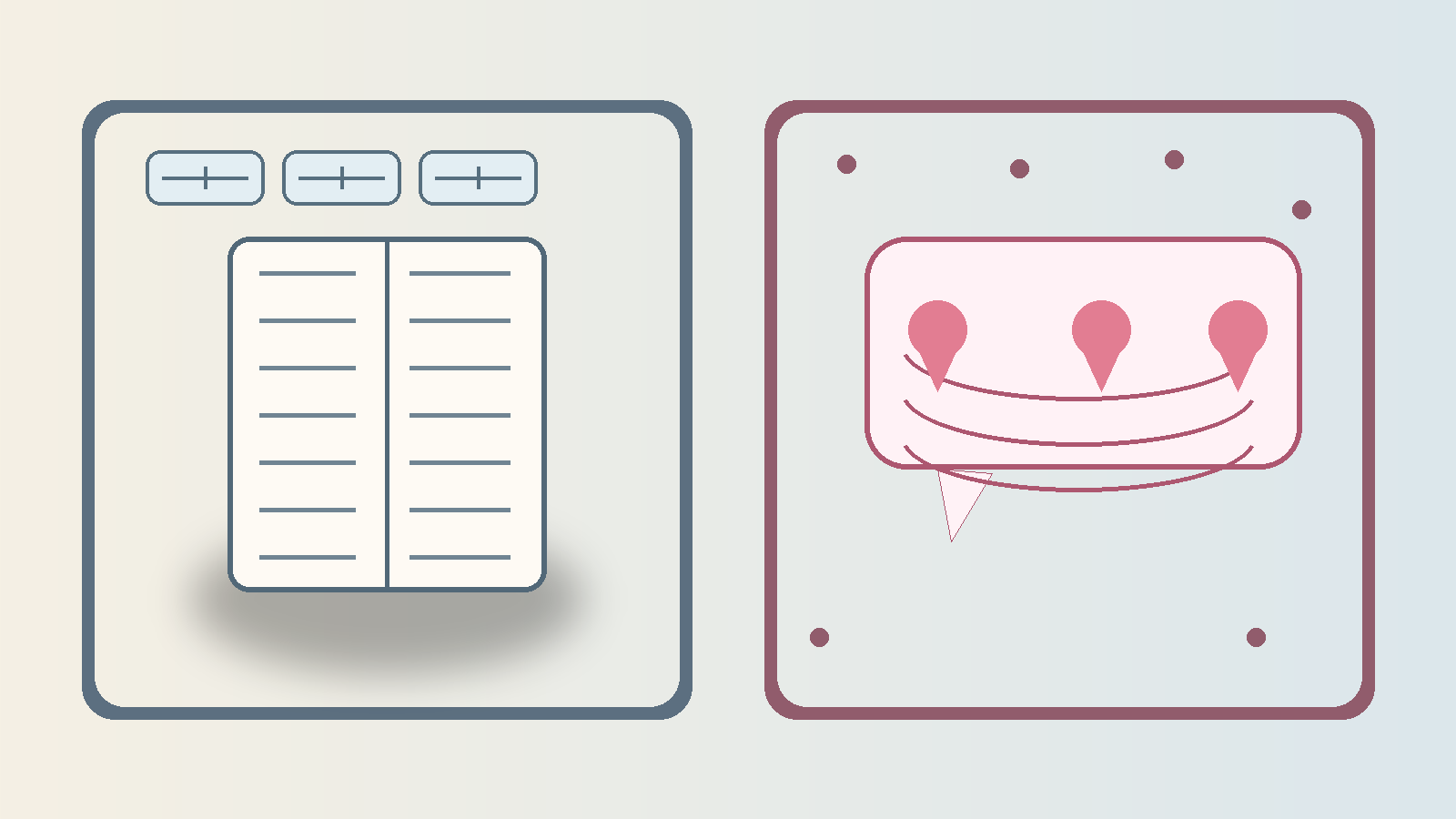
Caption: Scientific reference and emotive response work differently in Richards’ theory.
What Are I. A. Richards’ Two Uses of Language?
Richards says language has two totally distinct uses: the scientific use and the emotive use. Many exam guides also gloss the first as referential language. The labels differ slightly, but the core idea is the same.
In the scientific use, language is meant to point clearly to facts, objects, or relations. It is judged by accuracy, truth, and logical order. In the emotive use, language is meant to produce an attitude or feeling. It is judged by the effect it has on the mind and emotion of the listener or reader.
Here is the simplest way to remember the distinction:
- Scientific use: “Is the reference correct?”
- Emotive use: “What attitude does the language create?”
Richards does not say that one use is good and the other is bad. He says they serve different purposes. That is important. A scientific report needs precision. A poem may use words to stir feeling even when the reference is indirect, compressed, or symbolic.
| Use | Main aim | Standard of success | Common field | Example |
|---|---|---|---|---|
| Scientific | To state facts clearly | Truth, logic, correct reference | Science, instruction, explanation | “The rain started at 5 PM.” |
| Emotive | To create feeling or attitude | Effect, tone, emotional force | Poetry, rhetoric, persuasion | “The storm broke like a warning.” |
When I teach this topic, I tell students to hold onto one contrast: scientific language asks for verification, while emotive language asks for response.
How Does Scientific Language Work?
Scientific language is the language of reference. It aims to point to something in the world as clearly as possible, without distortion. Richards treats this as the language of explanation, report, and factual communication.
In this use, a statement succeeds when the reference is accurate and the relations between the references are logical. If the statement is wrong, vague, or contradictory, the scientific use fails. That is why scientific language depends on truth conditions. The content has to match the world it describes.
Richards also stresses that scientific language is not just about isolated facts. The facts must be arranged in a way that makes sense. The sentence structure, sequence, and logic all matter. A true fact placed in a confused relation with another fact can still make a statement fail.
This is why scientific language is the right tool for argument, explanation, and instruction. If a teacher says, “The sun rises in the east,” the value of the sentence lies in its correctness. If a researcher writes a conclusion, the language must be checked against evidence. The point is not to create a mood. The point is to communicate a reference clearly.
Richards uses this side of language to build a baseline. Once you see how factual language works, you can see more clearly how poetic language differs. That contrast is the real purpose of the chapter.
How Does Emotive Language Work?
Emotive language does not ask first whether a statement is true or false. It asks what kind of attitude the statement produces. Richards is careful here. He is not saying that emotive language is useless or irrational. He is saying that it works by a different logic.
In emotive language, words may carry value because of their tone, rhythm, association, or atmosphere. The reference may be indirect or even secondary. What matters most is the effect on the reader’s mind. The language creates an emotional orientation before it delivers a strict factual claim.
This is why poetry is so important in Richards’ theory. A poem often relies on suggestion rather than plain statement. It may compress feeling into imagery, shift mood through rhythm, or create a complex response that cannot be reduced to one factual proposition. In that sense, poetry is not “less true” than science. It is true by another measure.
Richards says that emotive language often uses references only as a stage for attitude. That is a crucial phrase in the theory. The reference matters, but it serves a larger response. The reader does not stop at “what is said.” The reader moves on to “what is felt” and “what attitude is formed.”
This is one reason Richards is so important for later literary criticism. He helps critics explain why poetry cannot be treated like a technical report. The poem is not trying to prove a fact. It is trying to organize experience.
Why Does Richards Think Poetry Uses Emotive Language?
Richards believes poetry is the clearest example of emotive language because poetry works through concentrated verbal effect. It does not merely tell. It shapes response. A line of verse may sound musical, create an atmosphere, or join several ideas into one felt experience.
This is where his criticism becomes especially useful for students. If you are asked why poetry differs from science, the answer is not that poetry has no meaning. The answer is that poetry organizes meaning through tone, rhythm, image, and attitude rather than through direct factual reference.
That is also why Richards is a bridge figure between semantics and literary criticism. He cares about how words mean, but he also cares about what language does to the mind. In his broader critical method, especially in Practical Criticism, he pushes readers to examine how language produces response in actual reading situations.
The distinction matters for exam answers because it keeps you from oversimplifying poetry. Poetry is not a pile of vague feelings. It is a deliberate verbal structure whose emotional force is created through language. Richards gives you the vocabulary to explain that force.
If you want a broader map of how this idea sits inside the field, the guide to literary theory and criticism is a useful next stop.

Caption: Close reading tracks how language shapes meaning and attitude.
How Is This Idea Connected to New Criticism and Close Reading?
Richards is often treated as a major precursor to New Criticism. He does not belong neatly inside the movement in the same way as Cleanth Brooks or John Crowe Ransom, but his work gives New Criticism a strong methodological base. Britannica points out that Richards was central to the development of close reading and practical criticism, and that influence matters here.
The connection is simple. If language can work in different modes, then the critic must read carefully to see what mode is active in each passage. That is the beginning of close reading. You cannot judge a poem by a quick summary. You have to attend to diction, tone, rhythm, and structure.
This is where Richards meets later formalist criticism. His theory teaches students to stay with the words on the page. It also prepares the ground for later ideas about irony, paradox, tension, and ambiguity. When you later study William Empson’s concept of ambiguity, you can see how Richards’ attention to language helped open the door.
I often tell students to remember the progression like this:
- Richards asks how language works.
- New Criticism asks how the text means.
- Close reading shows how to prove the answer from the words themselves.
That sequence makes the theory easier to revise and easier to write about in an exam.
What Should Students Remember for Exams?
For UGC NET English, RPSC First Grade English, and similar exams, you do not need a long philosophical explanation. You need a clean, accurate answer that can be expanded quickly. The safest approach is to remember the definition, the contrast, and the literary significance.
Here are the key points:
- I. A. Richards distinguishes between the scientific and emotive uses of language.
- Scientific language aims at correct reference and logical arrangement.
- Emotive language aims at attitude, feeling, and response.
- Richards discusses this in Principles of Literary Criticism, especially Chapter XXXIV.
- The concept helps explain why poetry cannot be judged by scientific standards alone.
- The idea strongly influenced New Criticism and close reading.
- Many exam notes call the scientific use referential language.
- Richards is also important because he links criticism with semantics and psychology.
If an exam question asks for significance, say this plainly: Richards gives literary criticism a theory of how language works in different contexts. That is why his idea matters for poetry, rhetoric, and modern criticism.
For quick revision, the notes on LitGram Study can help you review this distinction in a more exam-friendly format.
What Is a Simple Example of the Two Uses?
Consider two sentences about rain.
The first says, “Rain fell for three hours and flooded the road.” This is scientific language. The sentence can be checked against fact. It aims to report what happened.
The second says, “The rain kept beating the window like bad news.” This is emotive language. The sentence does not mainly exist to measure rainfall. It creates mood, pressure, and expectation.
Both sentences are valid, but they serve different ends. The first belongs to report. The second belongs to literary effect. Richards’ point is that criticism must not confuse the two. If you judge the second sentence by the standards of a weather report, you miss its purpose. If you judge the first sentence by its emotional atmosphere, you miss its purpose.
That is why the concept remains useful. It teaches students to ask not only what a sentence says, but what kind of language it is using to say it.
Why Does This Distinction Still Matter?
The two uses of language remain useful because they train readers to think carefully about function. In real reading, language often mixes the two uses. A scientific article may use rhetoric. A poem may contain factual detail. A speech may contain both argument and emotion.
Richards helps us see that the question is not whether language is purely one thing or the other. The question is which use is dominant in a given passage and how that dominance shapes meaning. That is a subtle but powerful idea.
It also helps modern students avoid a common mistake. They often think literary language is just “beautiful language.” Richards shows that literary language is more specific than that. It is language organized to create a certain kind of response. That response may include thought, feeling, memory, and evaluation all at once.
So the concept still matters for close reading, theory revision, and exam writing. It gives you a vocabulary for discussing how language works without reducing poetry to plain prose or prose to poetry.
FAQs
What are I. A. Richards’ two uses of language?
They are the scientific use and the emotive use. Scientific language aims at factual reference and logic, while emotive language aims at feeling and attitude.
Where does Richards explain this idea?
He explains it in Principles of Literary Criticism, especially Chapter XXXIV, “The Two Uses of Language.”
Is scientific language the same as referential language?
Many exam guides use the word referential for the scientific use. The labels vary, but the basic idea is the same: language that points to facts clearly.
Why is emotive language important in poetry?
Because poetry often works through mood, tone, rhythm, and suggestion. It creates an emotional response rather than only reporting facts.
How is Richards connected to New Criticism?
Richards influenced New Criticism by encouraging close reading and careful attention to how language works inside the text.
Why do students study this concept for exams?
Because it is a standard literary theory topic in UGC NET English, RPSC First Grade English, SET, and similar literature papers.
Conclusion
I. A. Richards’ two uses of language give students a simple but deep way to think about literary meaning. Scientific language aims at truth and reference. Emotive language aims at attitude and response. Once you understand that difference, Richards’ place in literary criticism becomes much clearer.
This idea also shows why criticism must read carefully. A poem is not a report, and a report is not a poem. Richards gives us the terms to explain that difference without oversimplifying either form. If you want to revise the topic in a cleaner study flow, LitGram Study is a good next step.